Brighter Rooms, Naturally Guided
Join us as we explore how light shelves and reflective surfaces can distribute sunlight deep into interiors, softening contrasts, saving energy, and lifting mood. From simple materials to precise angles, you’ll learn approachable strategies to channel daylight beautifully throughout your space, reduce glare near windows, and create inviting light gradients across ceilings and walls. Share your daylight challenges with us, ask questions, and help this community illuminate homes and workplaces more thoughtfully.

How Daylight Travels
Understanding the journey of sunlight indoors begins with angles, surfaces, and our eyes’ sensitivity to contrast. When directed upward toward a bright ceiling, daylight diffuses gently, illuminating deeper zones while avoiding harsh hotspots near glass. Light shelves redirect high-angle sun, while reflective finishes extend that glow further. Think of your ceiling as the sky of the room and each wall as a quiet cloud receiving luminous paint. Comment with your toughest corner, and let’s map a path for light.
Designing the Shelf
Good daylight feels effortless, but it comes from careful geometry. Shelf depth, elevation, and angle should respond to solar altitude, facade orientation, and the glazing’s visible transmittance. Outside, the shelf can shade during summer while redirecting light upward. Inside, it continues the bounce. The edge profile influences glare, and materials influence diffusion. Get these right and you’ll unlock bright ceilings, calmer work surfaces, and reduced reliance on electric lighting throughout long, productive days.
Sizing for Latitude and Seasons
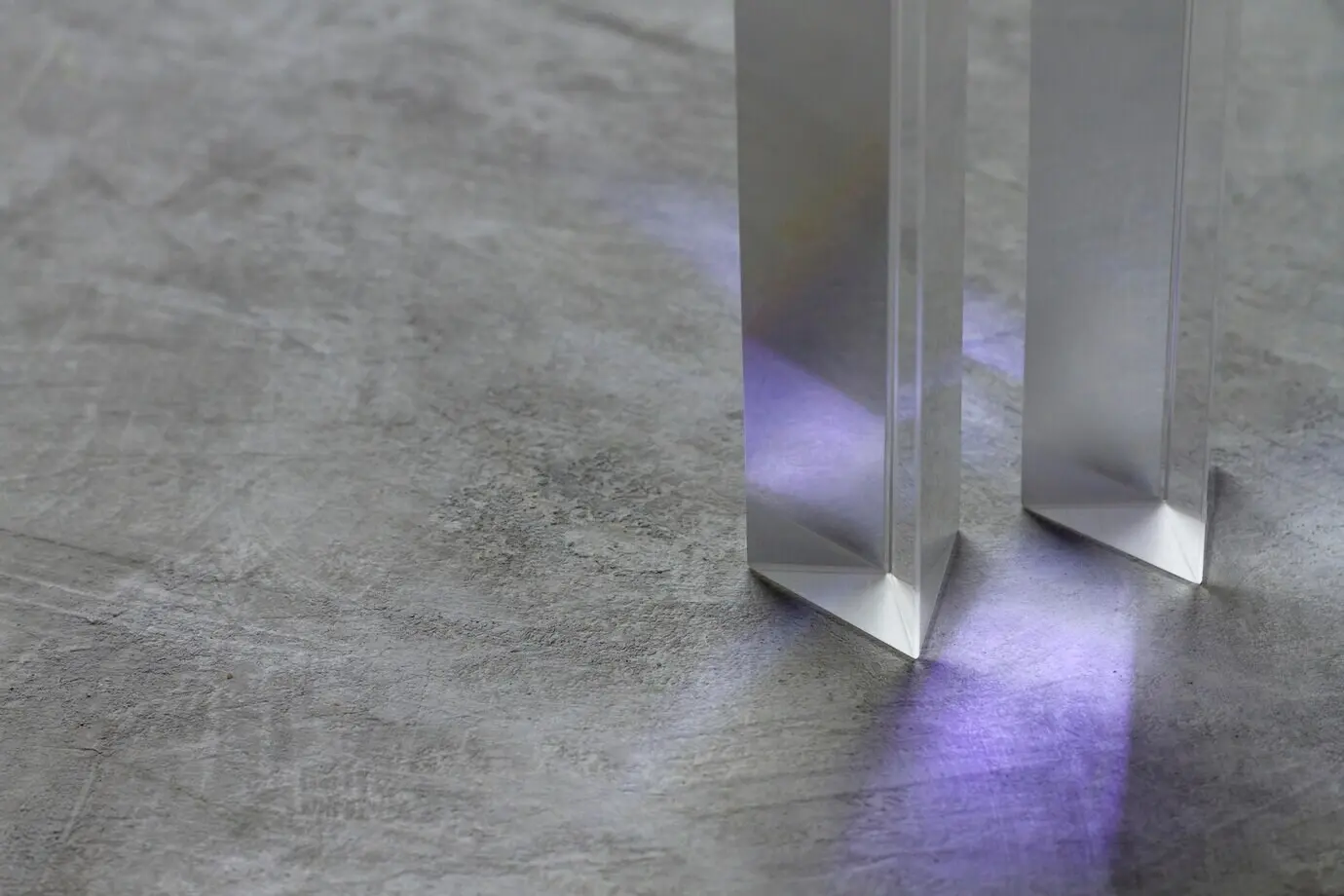
Sun height changes with latitude and season, so your shelf should, too. A deeper exterior portion can block high summer sun while admitting lower winter angles. Use quick solar path diagrams or phone apps to estimate sun positions on solstices and equinoxes. Adjust shelf depth and interior ceiling height above the shelf for a generous transom zone. Share your city in the comments, and we’ll suggest a starting ratio tailored to your latitude and facade orientation.
Materials and Edges
Choose materials that reflect broadly and consistently: powder-coated white metal, pale laminate, acrylic with diffusing microprisms, or high-LRV wood finishes. An eased or rounded front edge softens contrast and discourages bright streaks at eye level. Avoid overly glossy coatings directly opposite seating to prevent specular glare. Durable, cleanable finishes extend performance over years. If you love warm tones, try a slightly warm white that still reflects strongly, ensuring the ceiling glow remains inviting and balanced.
Integrating with Windows and Shading
A successful installation coordinates with glazing, frames, and shades. Place the shelf across the head of the window, allowing a clear transom above. Use exterior shades or louvers for low sun, while the shelf handles high sun. Interior blinds should be light-colored and perforated to preserve upward bounce. Keep mullions slim in the transom zone to avoid breaking the light path. The result is gentle brightness across the ceiling, even on clear days when direct sun feels intense.

Reflective Strategies Across Rooms
Different rooms ask different questions of daylight. Living areas need warmth and harmony, kitchens demand clarity and low glare, and corridors benefit from navigational brightness without hotspots. Using reflective shelves and surfaces, we can thread gentle light through varied spaces, maintaining continuity while respecting each activity. Borrowed light from adjacent rooms, well-placed mirrors, and luminous backsplashes can extend sunlight farther. Share photos of your trickiest rooms, and we’ll propose layered strategies that deliver calm, consistent illumination.
Daylight Factor and Spatial Metrics
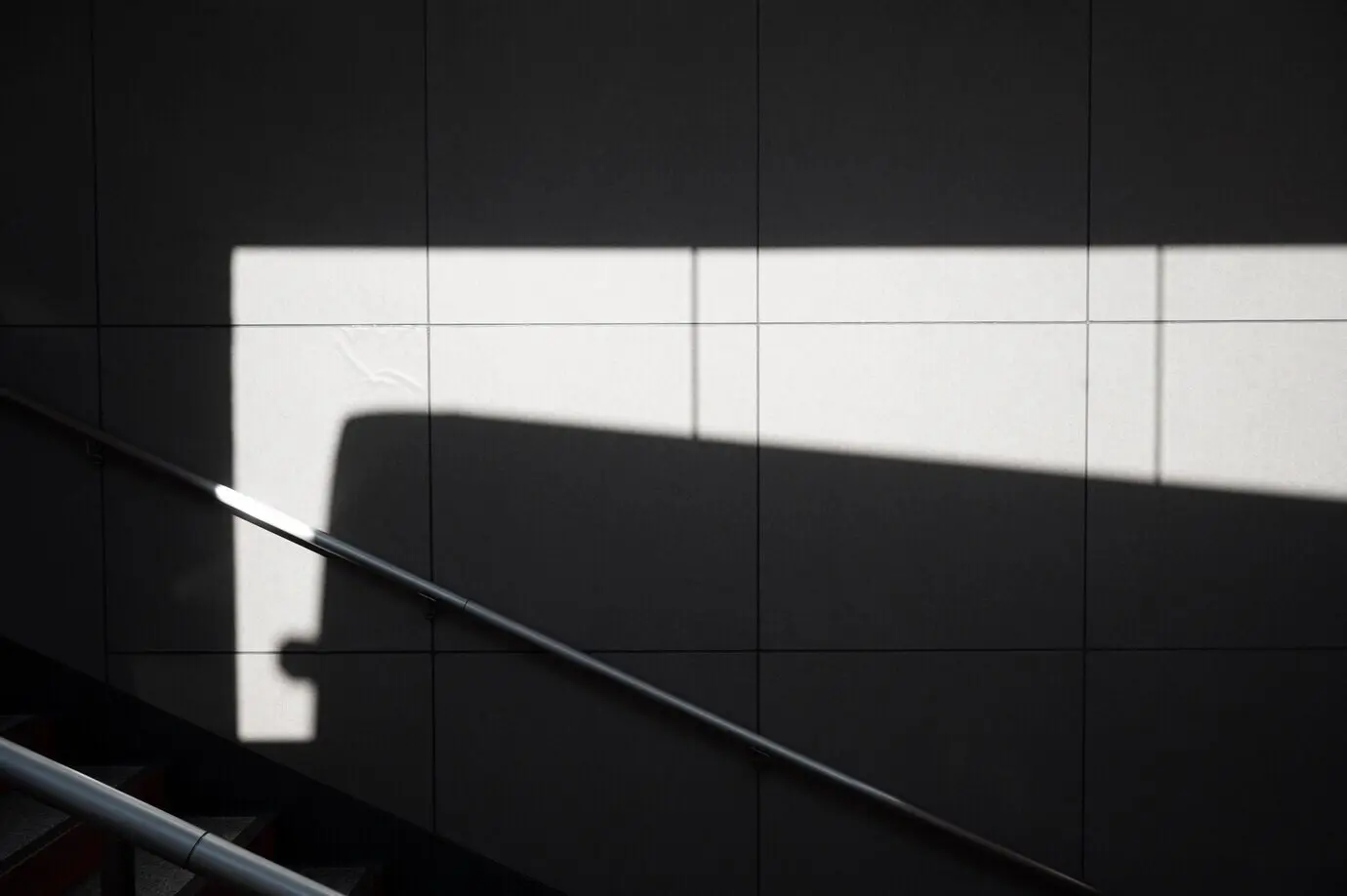
Daylight Factor provides a quick snapshot under overcast skies, while spatial metrics like sDA and ASE reveal annual performance and potential glare. Aim for higher daylight autonomy in regularly occupied zones, ensuring comfortable luminance ratios between the window wall and work surfaces. Measure at multiple points across the plan. Reporting methods can be simple: a grid, a notebook, and seasonal checks. Share your grid results, and we’ll suggest targeted tweaks to boost uniformity without sacrificing view quality.
Prototyping with Models and Sun
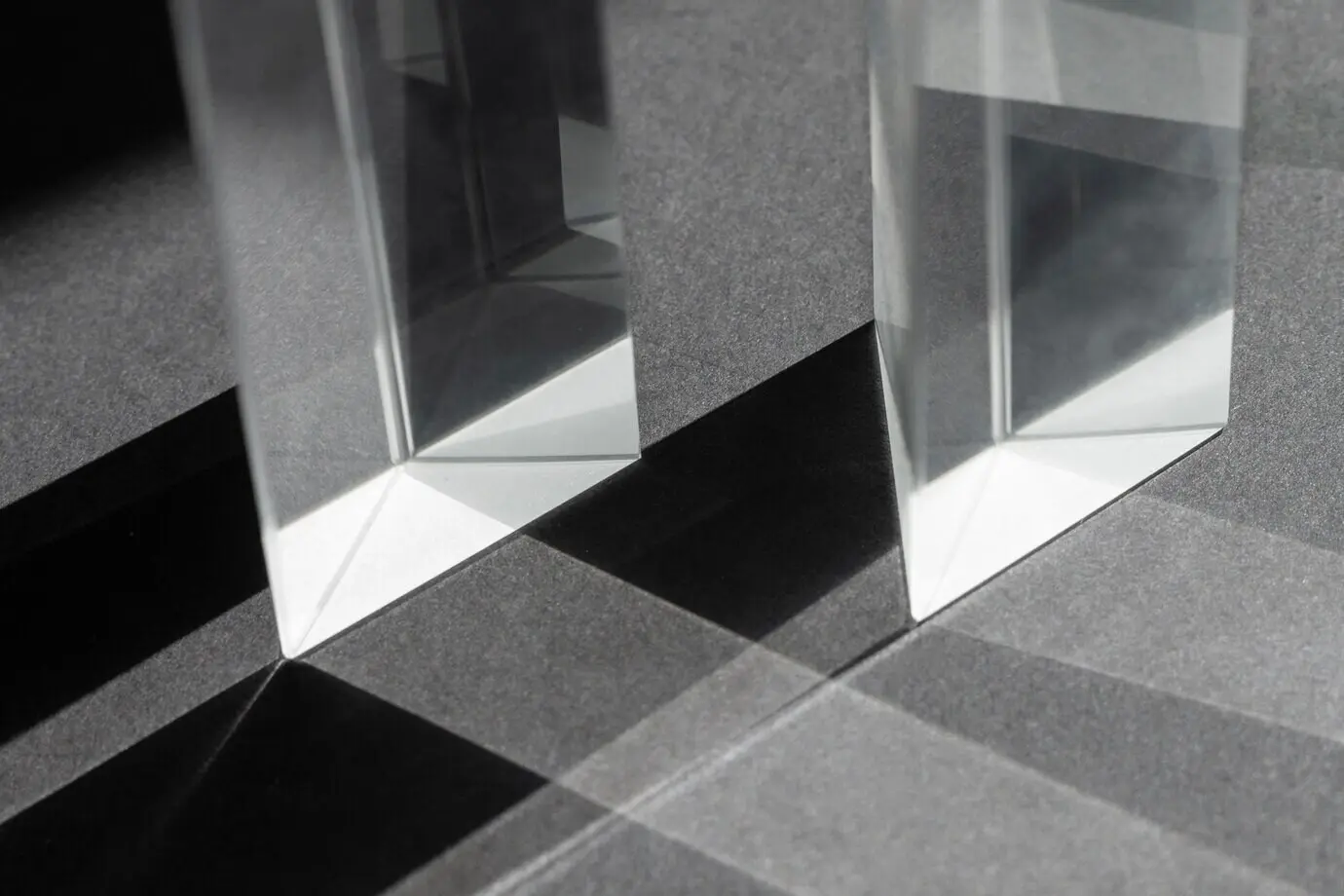
A cardboard model, white paper ceiling, and a small reflective strip can predict real behavior surprisingly well. Move your model outdoors or under a directional lamp to mimic sun angles. Watch how the strip brightens the mini ceiling, then adjust depth or edge curves until distributions look even. This hands-on approach builds intuition fast. Post your model photos in the comments, and we’ll offer feedback, helping translate tiny successes into full-scale adjustments for your project.
Comfort, Health, and Energy
Daylight should nourish, not punish. Correctly redirected sun stabilizes visual contrast, supports circadian rhythms, and reduces artificial lighting hours. By shading near the window and brightening the ceiling, shelves help cut cooling loads during summer while preserving winter light. People read better, feel calmer, and move more confidently through well-lit spaces. Plants thrive in softer, diffuse light too. Share how daylight affects your routines, and we’ll help tune your setup for work, rest, and creativity.
Glare Control and Visual Ease
Glare is less about brightness and more about contrast and sightlines. Position shelves to intercept intense sun, selecting diffusing finishes that scatter rather than mirror. Keep luminance transitions gentle from window wall to task area. Consider subtle interior louvers for very low sun. Matte screens, anti-glare coatings, and careful desk placement finish the job. When in doubt, take midday photos from seated eye level and share them, so we can pinpoint reflections and recommend small, high-impact tweaks.
Thermal Considerations That Matter
An exterior shelf doubles as a seasonal shield, blocking high summer rays while admitting lower winter sun for passive warmth. Choose low-conductivity materials and coordinate with insulated frames to avoid thermal bridging. Interior shelves should not trap heat near the head of the window; allow air movement. Combine with operable shading for flexible control. Track temperature on sunny afternoons and compare with cloudy days. Your notes will guide right-sized adjustments that keep comfort steady and energy bills stable.
Wellbeing and Daily Rhythm
Diffuse daylight supports alertness and stabilizes sleep patterns when aligned with daily routines. By pulling light deeper without glare, shelves encourage healthy activity zones away from windows, freeing sills for plants and reading spots. A softly luminous ceiling calms the mind, reducing visual fatigue. Invite natural textures and greenery to complement the brightness. Tell us when your space feels most vibrant, and we’ll map light routes that strengthen those moments, from morning stretches to evening decompression.

Maintenance, Costs, and Long-Term Care
Daylight strategies perform as well as their upkeep. Dust, fingerprints, and aging coatings reduce reflectance, weakening distribution and inviting glare. Plan a simple cleaning schedule, and select finishes that hold brightness without frequent repainting. Set a modest budget for seasonal adjustments, like fine-tuning shelf angle or adding a diffusing strip. Track reduced electric lighting hours to gauge payback. Share your maintenance wins and hiccups, so others can plan smarter and keep luminous interiors thriving for years.